Travizory Commission of Inquiry Sworn In to Investigate 2021 Border Deal


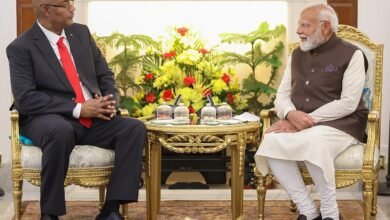
VICTORIA, Seychelles — A three-member Commission of Inquiry tasked with examining the agreement between the government of Seychelles and Travizory was officially sworn in during a brief ceremony at State House on Thursday morning, with the commission chaired by Supreme Court Judge Laura Pillay and including members Christopher Mancham-Gill and Suketu Patel, as President Patrick Herminie stood as witness while each commissioner took their oath of office. The commission has been established under the Commission of Inquiry Act to investigate the border management services agreement signed between the government and Travizory in March 2021, a system used by the Immigration department as part of the country’s digital border control process, including the electronic travel authorisation system for visitors entering Seychelles.
The establishment of the Travizory Commission of Inquiry carries significant importance for public trust and accountability in Seychelles, as the border management system touches every visitor who enters the country and represents a major contract between the state and a private company. For Seychellois citizens and taxpayers, the commission represents an opportunity to determine whether public resources were handled with integrity and whether those responsible for entering into the agreement acted in the national interest.
According to the terms of reference published in the Official Gazette on April 15, the commission has been mandated to conduct a detailed inquiry into how the agreement came about, including the negotiations and discussions between the parties involved. The inquiry will also examine the terms and conditions of the agreement to determine whether they are consistent with Seychelles’ legal framework, procurement standards, and contractual principles, and will identify the individuals and parties directly or indirectly involved in the negotiations leading up to the signing. The commission will further investigate Travizory’s tax obligations, including whether the company failed to pay Value Added Tax in connection with its activities under the agreement, and will examine allegations of improper benefits, including whether any bribes or illicit payments were offered or received. The inquiry will also seek to determine whether any government officials or political figures may have benefited directly or indirectly from the arrangement, and whether undue influence or pressure was applied on government officials in relation to the decision to enter into the agreement.
Speaking to the media shortly after the ceremony, Judge Pillay outlined the mandate of the commission and said the first priority would be to appoint a secretary and establish the necessary rules of procedure before work begins. She said the commission expects to complete its work within six months of its first sitting, as required by the terms of appointment, adding that the proceedings are expected to be conducted in public in line with the provisions of the Commission of Inquiry Act, unless there are specific reasons to hold certain sessions privately. The commission has been granted broad powers under the Commission of Inquiry Act, including the authority to summon individuals to give evidence, require the production of documents, and examine witnesses under oath, and may appoint legal, financial, technical, or asset-tracing experts if specialised expertise is needed.
The commission is required to submit a final written report to the President outlining its findings, conclusions, and recommendations within six months of its first sitting, unless an extension is granted. Judge Pillay said she did not expect her duties as chairperson to affect her ongoing responsibilities within the Judiciary. The appointment of a serving Supreme Court judge to lead the inquiry signals a commitment to a rigorous, independent, and legally grounded process that will be watched closely by both the public and the business community.
The Travizory Commission of Inquiry marks one of the most significant government accountability exercises in recent years, and its findings will have lasting implications for how Seychelles manages public procurement, contracts with technology companies, and enforces standards of integrity in public administration.