Youth Art Exhibition Brings Seychelles Slavery History Powerfully to Life

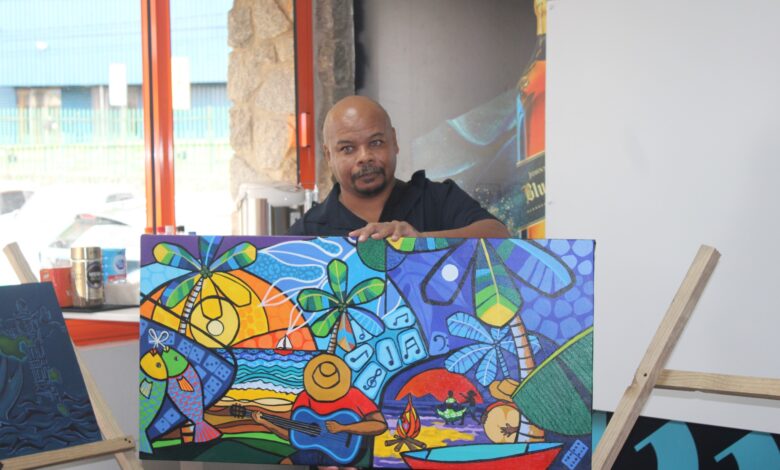
VICTORIA, Seychelles — A compelling slavery history exhibition featuring the creative works of young Seychellois opened at the National Museum of Seychelles ahead of the country’s first National Day of the Abolition of Slavery, observed on 1 February. The display — comprising approximately 30 poems, drawings, and artworks — was created by students from primary and secondary schools as well as professional training centres, and offers a striking window into how the younger generation understands and interprets one of the most defining chapters of the nation’s past.
The exhibition matters because it bridges the gap between historical knowledge and lived identity. Many young Seychellois may be unaware that the islands were once a colonial society built on enslaved labour, or that the Creole language they speak every day was born from the encounter of African and European peoples under the brutal conditions of slavery. By presenting these histories through the eyes of children and teenagers, the museum makes the subject accessible and emotionally resonant in a way that textbooks alone cannot achieve.
Senior museum assistant Jenifer William explained that the works were submitted in 2022 following a travelling exhibition that visited schools nationwide, inviting students to express their thoughts and emotions through creative works inspired by the history of slavery. She noted that the ongoing exhibition plays an important role in educating the public about the history of slavery in Seychelles and its influence on the country’s multicultural identity. The museum already has a dedicated section focusing on the history and abolition of slavery, and William stressed the importance of the public deepening its knowledge of these historical events, as they have played a significant role in shaping the nation as it exists today. The museum also intends for the poems submitted by students to be compiled and published as a book.
1 February is being observed as a public holiday — the National Day of the Abolition of Slavery — for the first time in Seychelles’ history. Britain abolished slavery in its colonies on 1 February 1835, liberating more than 6,500 enslaved people in Seychelles, the majority of African and Malagasy origin. France had previously prohibited the slave trade in 1807 and formally abolished slavery in 1831. The historical figure Castor, a Maronage leader who escaped to Ile Mae with companions and survived in the forests of Cap Roches for three years, is recognised as one of the most significant figures of resistance from the Seychelles slavery era.
William explained that the exhibition will travel across different districts of Seychelles so that young people who did not initially have the opportunity to view the works can engage with them. The museum plans to organise additional interactive and educational activities to further teach young people about Seychelles history. Students keen to learn more can apply to join the museum’s student club programme, which provides in-depth engagement with significant historical events through special activities and resources available at the museum.
The National Museum of Seychelles invites all Seychellois to visit the exhibition and reflect on how the legacy of slavery continues to shape culture, language, and identity across the archipelago today.
📷 Image source: Ministry of Social Affairs — socialaffairs.gov.sc