Seychelles Marks Shark Awareness Day With Calls to Protect Apex Predators

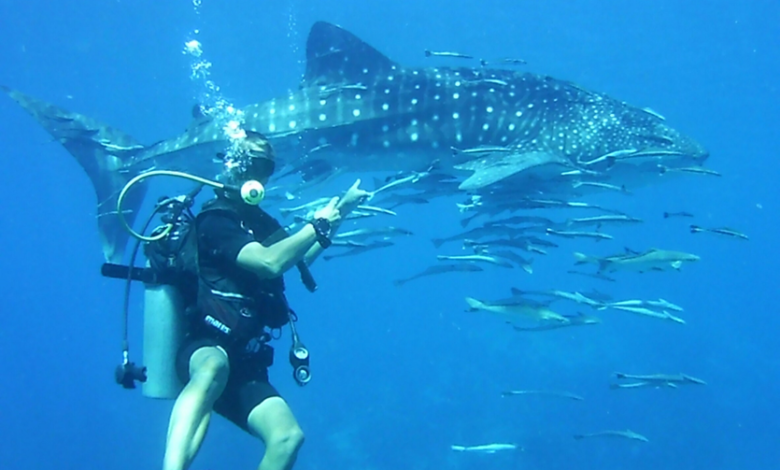
📷 Photo: DolphinNews via Wikimedia Commons, CC BY-SA 4.0
VICTORIA, Seychelles — Conservation groups in Seychelles marked Shark Awareness Day on Tuesday with education drives and renewed calls to protect what the International Union for Conservation of Nature estimates is more than a third of shark, ray and chimaera species now threatened with extinction globally.
Observed each year on 14 July, Shark Awareness Day promotes the ecological role of sharks, dispels their portrayal in popular culture as straightforward predators, and encourages sustainable management of marine ecosystems. For Seychelles, a country that sits inside one of the world’s largest exclusive economic zones and has built a significant part of its tourism offering around reef and open-water encounters, the day’s message lands close to home.
Healthy shark populations are closely tied to the wellbeing of Seychelles’ marine ecosystems, which underpin key sectors of the national economy, including tourism and fisheries. By maintaining balanced food chains, sharks indirectly support coral reefs and the fish populations that depend on them, a relationship conservation groups describe as fundamental to the country’s blue-economy strategy.
Sean Parker of the Marine Conservation Society Seychelles put the case plainly: healthy oceans need sharks, he said, because they regulate ecosystems and support marine biodiversity, and protecting them is crucial to the future of the ocean.
Seychelles has built a regional profile in shark and ray research through the Save Our Seas Foundation’s D’Arros Research Centre in the Amirantes, where scientists run long-term studies on sharks, rays and other marine species. The centre also supports conservation and education initiatives locally and internationally, strengthening the country’s role in global marine science. Around D’Arros Island itself, researchers have documented what is believed to be the largest known aggregation of reef manta rays in Seychelles, present almost daily to feed, a closely related elasmobranch that benefits from the same protection regime.
Conservationists say the threats are not abstract. Overfishing, illegal unreported and unregulated fishing, ghost nets lost or discarded at sea, and habitat loss from coastal development continue to push many species towards collapse. Marine protected areas are central to the response because they give sharks room to breed, feed and mature with reduced fishing pressure, and Seychelles’ network of parks and reserves, including the Cousin Island Special Reserve, where restoration work has shown early signs of recovery in shark and predatory fish populations, is increasingly cited as a model.
For local groups, education is the lever that makes those protections stick. Nature Seychelles and the Seychelles Island Foundation have run Shark Awareness Day programmes in schools in past years, using interactive classes, model-building and reef-walk field sessions to replace fear with knowledge, particularly for children. As climate change, habitat loss and fishing pressure continue to reshape marine environments, organisers say, public awareness remains one of the most effective tools for ensuring sharks are valued not for misconceptions but for their ecological role in keeping oceans healthy.
Sources cited: Nature Seychelles, “Shark Awareness Day: the amazing world of sharks,” July 2026; Nature Seychelles, “Shark Awareness Day: protected areas are a haven for sharks,” July 2026; Save Our Seas Foundation, D’Arros Island research destination page.
Source: SN