
Victoria, Seychelles – A succession of government entities appeared before the Finance and Public Accounts Committee of the National Assembly this week, with each session producing findings that should concern every Seychellois who pays taxes, uses public services, or expects the state to manage public money with basic competence.
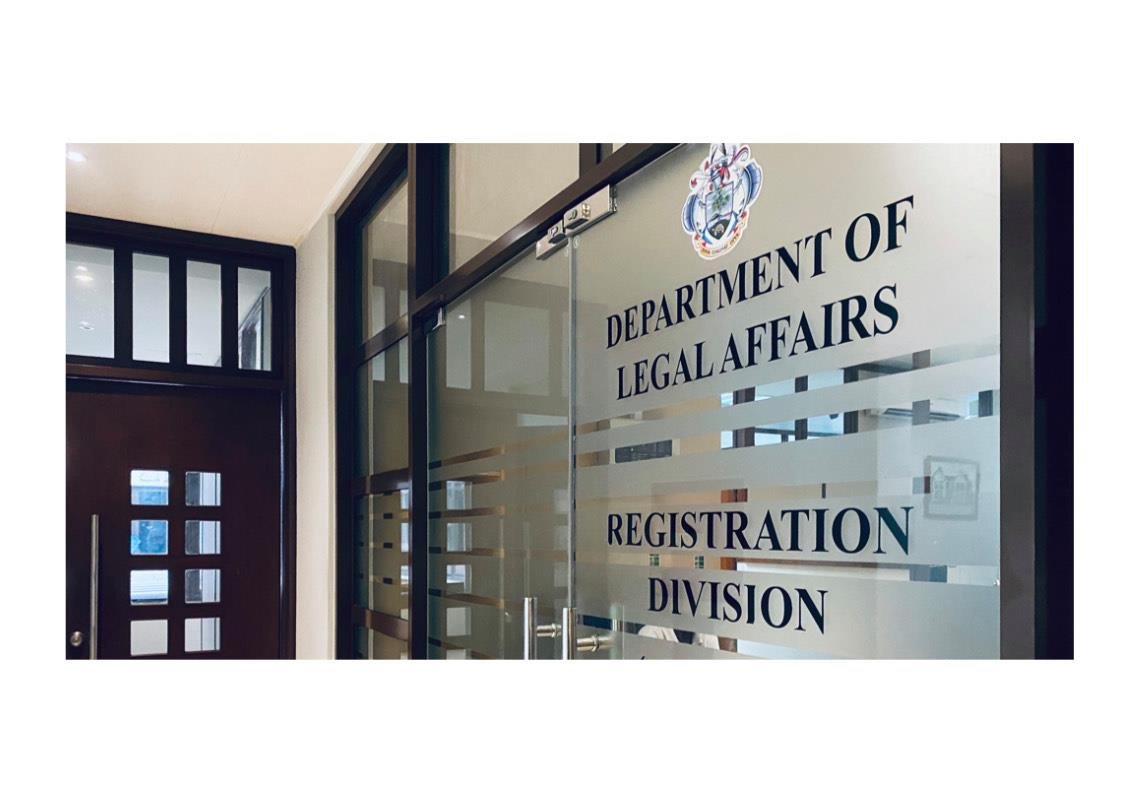
The Registration Division could not explain a discrepancy of R6,281,895 between revenue recorded in its cashier system and the Treasury general ledger – a gap with, as auditors noted, no explanation provided. The division’s outstanding debt position also ballooned from R4.4 million in 2023 to R25.6 million in 2024, an increase of over R21 million in a single year. Officials cited system issues and staff shortages. The committee heard that many processes remain manual, that a digitalisation project has been started but cannot be fully launched due to legal and data integration issues, and that the division has no formal credit policy and no dedicated debt recovery officer.
At the Seychelles Defence Forces, auditors found that fish purchases from one supplier totalling R1,171,575 were made without a valid contract for the better part of a year. The SDF took over kitchen management from the Seychelles Tourism Academy in April 2024 and continued using the same supplier to avoid disruption. A formal contract was not signed until September 2024, and the tender process was not finalised until March 2025 – nearly a year after the arrangement began. Questions also arose over 26 assets worth R450,431 recorded at wrong locations, and 12 of 24 sampled assets that could not be physically traced at all.
The Ministry of Education, which accounts for 62 percent of its total expenditure through payroll alone, could not produce an establishment register for auditors at the time of the audit. One employee had accumulated 136 days of unused leave – more than three times the permitted maximum of 42 days. The ministry’s plan to digitalise its human resource functions, budgeted at around R900,000, was halted after the Department of Public Administration decided to centralise HR systems across government – a decision that left the ministry without either the old system or the new one for an indeterminate period.
Taken together, these findings are not isolated lapses. They reflect a pattern of institutional weakness – inadequate systems, chronic understaffing, and an absence of accountability structures that allow discrepancies of millions of rupees to accumulate without being caught, explained, or corrected.
The committee’s role is to scrutinise. It is doing that. What remains to be seen is whether the Cabinet, which appoints the people running these institutions, treats these findings as a political embarrassment to manage or a governance failure to fix.


