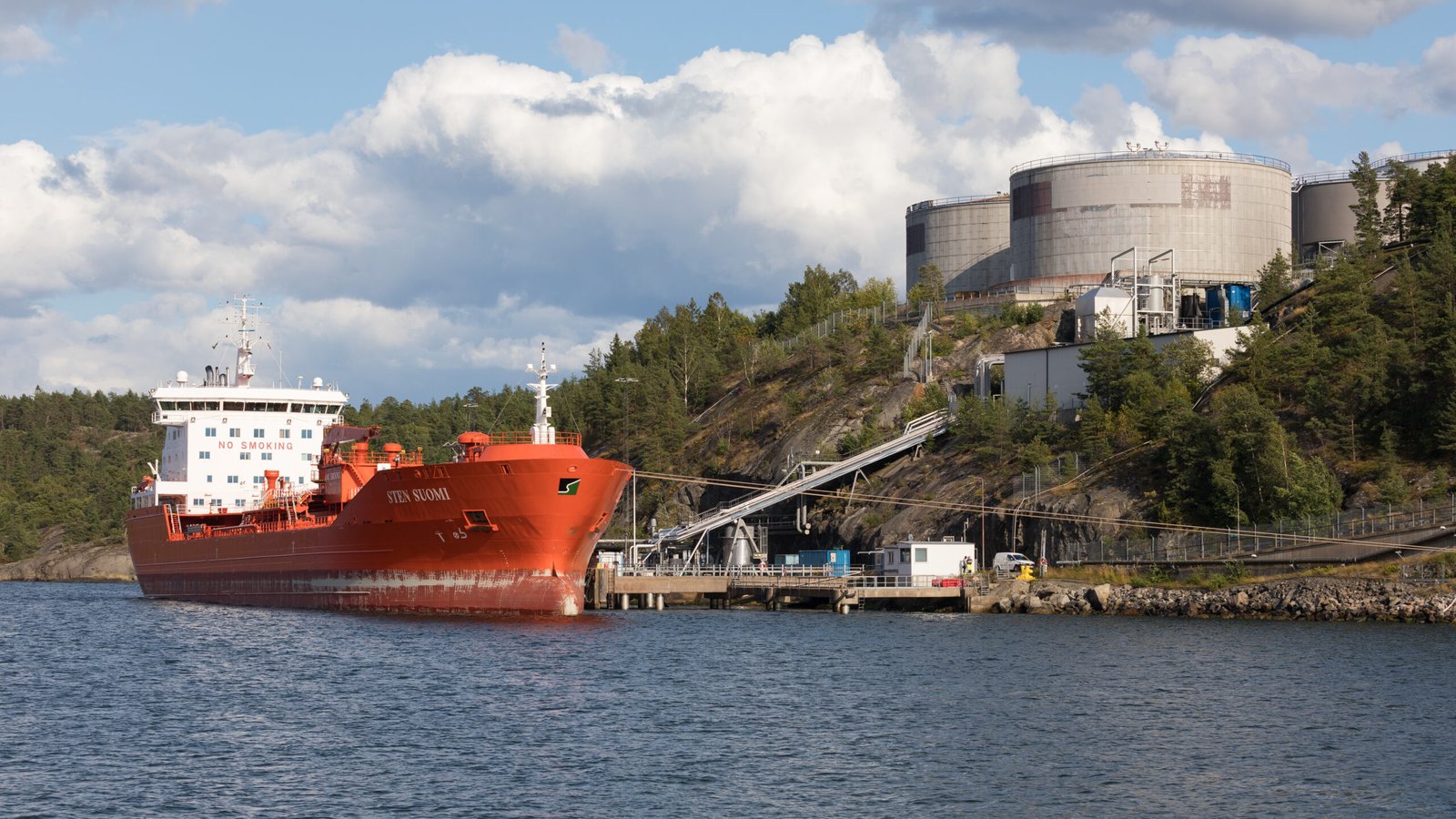
VICTORIA, Seychelles — The Seychelles Petroleum Company (Seypec) launched its second 41,000 deadweight tonne product tanker into the water for the first time this week, marking another step in the state-owned company’s long-running fleet renewal programme.
The vessel, named Seychelles Pearl, was officially launched by Seypec’s director of shipping and chief engineer Martin Roucou, who pressed the launch button and released the ship into the water. The launch took place at the builder’s yard this week and follows the earlier launch of the first of the two newbuildings.
Seychelles Pearl is one of two tankers being introduced to strengthen Seypec’s operations and to support the company’s vision for growth. The other newbuilding, Seychelles Prosperity, is expected to be delivered between September and October 2026, with Seychelles Pearl following between December 2026 and January 2027 after completing its sea trials.
According to chief executive Captain Adrian Mondon, the launch reflects Seypec’s continued commitment to investing in the future of the company and the country’s maritime sector. Speaking at the ceremony, he said that seeing another vessel enter the water is a proud moment for everyone at Seypec, reflecting years of planning and investment, as well as the company’s commitment to ensuring the company remains strong, resilient and ready for the future.
The new tanker will now undergo a period of sea trials, during which its systems and equipment will be rigorously tested before delivery. Designed with sustainability in mind, the vessel features advanced cargo management systems, innovative propulsion technology, improved fuel efficiency and a reduced environmental footprint. These features are intended to help Seypec comply with international age and emissions requirements as the company renews a fleet whose average age currently stands at 19 years.
Seychelles remains the only country in the region to own and operate its own tanker fleet. The investment in the two new vessels therefore reinforces national maritime capability and supports long-term energy security for the island nation. The pollution prevention rules set out under the MARPOL convention govern the discharge and emissions standards that modern product tankers such as Seychelles Pearl must meet throughout their operational lives.
Each tanker is registered with a unique IMO number, which allows the vessel to be tracked across ports and through port-state control inspections worldwide. The International Maritime Organization framework has shaped the design of oil tankers globally for decades, including the move towards double-hull construction and segregated ballast tanks that are now standard on newbuildings of this size.
The addition of the two new tankers marks another important step in Seypec’s ongoing commitment to delivering safe, efficient and sustainable maritime transport for Seychelles and beyond. The wider role of oil tankers in moving refined petroleum products around small island economies remains a strategic issue for fuel-importing nations such as Seychelles, where maritime transport underpins nearly every other sector of economic activity.
Sources cited: MARPOL convention, IMO. IMO number, Wikipedia. Oil tanker, Wikipedia.
Source: SN