VICTORIA, Seychelles —
Seychelles has formally endorsed its first long term strategic blueprint for the electricity sector, the Integrated Resource Plan 2023 to 2043, with cabinet approval confirmed in the official State House cabinet record. Vice President Sebastien Pillay, briefing the press, framed the document as the country’s least cost pathway to affordable, secure and climate aligned power, an answer to a demand curve that the plan itself projects will rise by roughly sixty seven percent by 2043.
The roadmap frames three equal national priorities, namely energy security, affordability and decarbonisation through a meaningful lift in renewable generation. On Mahé, planners expect annual demand to climb from 390 gigawatt hours in 2022 to more than 640 gigawatt hours by 2040, with peak load nearly doubling from 63 megawatts to 100 megawatts over the same period. The figures, drawn from the technical study that underpins the plan, sit alongside wider World Bank energy sector work for Seychelles documented in the project appraisal archive for the Seychelles power sector programme.
Renewable electricity targets are set at fifteen percent by 2030 and thirty percent by 2043. A complementary Low Voltage Hosting Capacity Study, also noted by cabinet, found these targets to be technically achievable while flagging that the low voltage distribution network remains a binding constraint on rooftop solar growth. The Integrated Resource Plan, a planning framework widely adopted by utilities to balance load growth, fuel security and emissions limits, is described in standard reference form in the Wikipedia entry on Integrated Resource Planning.
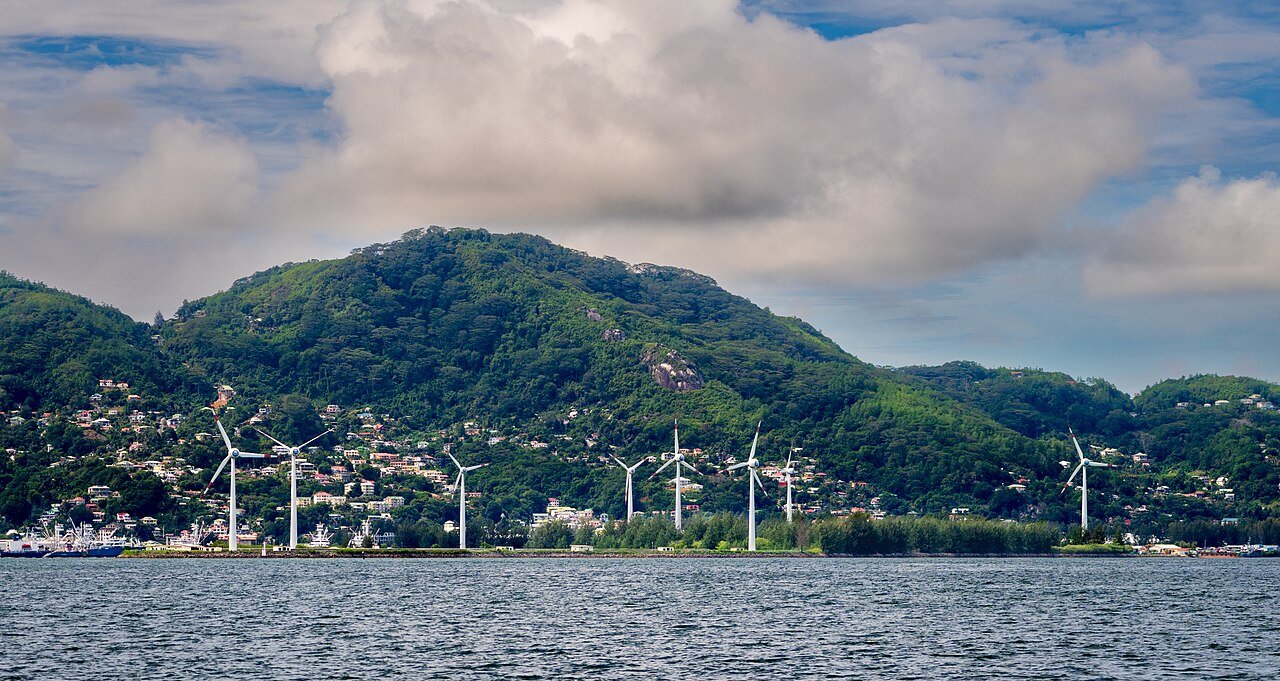
Investment priorities under the plan cluster in four areas. Utility scale solar photovoltaic and floating solar are expected to form the bulk of new capacity, supported by wind energy projects on sites that the plan does not name but that the wind atlas work of the World Bank ESMAP programme has mapped extensively. Waste to energy facilities and battery energy storage systems intended to firm intermittent supply round out the technology mix. The Public Utilities Corporation and the Utilities Regulatory Commission will absorb the bulk of project preparation and licensing work, with the plan now serving as the official basis for planning and investment decisions by the ministry responsible for energy.
The cabinet decision also opened the door wider to non state capital. Pillay emphasised that Independent Power Producers and Public Private Partnerships will be encouraged, alongside competitive procurement, as the principal route to mobilising the investment needed to meet the targets. The plan, he added, strengthens energy security while supporting sustainable economic growth, an argument that aligns with the persistent concern in international assessments that the country’s exposure to imported fossil fuel price volatility remains a structural risk for the balance of payments.
For context, the IRENA country profile for Seychelles, maintained by the agency’s SIDS islands portal, places installed renewable electricity capacity in the country in the mid twenty megawatt range, a baseline that the new targets will need to multiply several times over. The roadmap implies a build out measured in tens of megawatts of new utility scale solar and wind, alongside distributed rooftop generation, against a backdrop of population growth, rising electrification of transport and cooling, and steady tourism demand for power on Mahé, Praslin and La Digue.
The roadmap is now positioned as a living document. Cabinet endorsed a review cycle of at least every five years, allowing the plan to absorb technological advances, shifts in fuel markets and changes in the cost of capital. Individual projects arising from it will still require feasibility studies, environmental and social assessments and cabinet approval before construction. Pillay was explicit that the plan offers the vision and the sequencing, but does not by itself authorise any single power station.
For Seychelles, a small island state whose electricity demand is shaped by population growth, tourism flows and a steady rise in electrification across transport and cooling, the plan arrives as both a climate commitment and a bill of quantities for the next two decades of generation. Whether the targets translate into built capacity will depend on the speed at which the procurement frameworks the plan now authorises can be put to work, and on whether the concessional and grant finance available through development partners can be mobilised at the pace the timeline requires.
Sources cited: Seychelles State House cabinet decisions. World Bank project appraisal, Seychelles power sector. Integrated Resource Plan reference, Wikipedia. IRENA SIDS country profile, Seychelles.
Source: SN