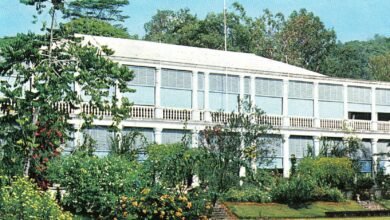
VICTORIA, Seychelles, The findings of the 2023 ‘Sustainable Land Use II, Rethinking the Sustainability of Tourism in Seychelles’ case study serves to validate the work of the Tourism Department, principal secretary for Tourism, Sherin Francis, noted yesterday. The transdisciplinary case study is the culmination of a research project initiated by the Tourism department, in partnership with ETH Zurich University, and the University of Seychelles (UniSey). Findings were presented to Minister for Foreign Affairs and Tourism, Sylvestre Radegonde, and partners at Botanical House. The study represents an important contribution to understanding how tourism can be managed in a way that protects the country’s natural and cultural resources.
Delving into seven focal areas, the case study sheds light on beach-based tourism, agri-tourism, cultural tourism, the social impacts of tourism in Seychelles, linkages between hotels and farmers, terrestrial adventure tourism, and tourism in Seychelles in 2040. Each of these areas was examined through a combination of fieldwork, interviews with industry players and analysis of existing data. The breadth of the study reflects the complex and multi-dimensional nature of sustainable tourism in a small island state context.
Presenting the findings of the study, Dr Pius Krütli noted that the research is meant to provide practical recommendations that can inform policy and planning. The study team included researchers from both partner universities, working alongside local partners and Tourism Department staff. The collaboration was designed to ensure that the findings would be grounded in the local context and would be directly useful to those responsible for shaping the sector’s future.
The study highlights both achievements and ongoing challenges in the pursuit of sustainable tourism. It points to the need for stronger linkages between the tourism sector and other parts of the economy, particularly agriculture and fisheries. It also emphasises the importance of preserving the cultural heritage that underpins the visitor experience, while ensuring that local communities share fairly in the benefits that tourism brings.
Minister Radegonde welcomed the findings and stated that they would be used to strengthen existing programmes and to design new ones. The Tourism Department has already begun work on a number of initiatives aimed at diversifying the source markets and improving the quality of the visitor experience. The study is expected to serve as a reference document for both public and private sector actors in the years ahead. It also provides a baseline against which future progress on sustainability can be measured.