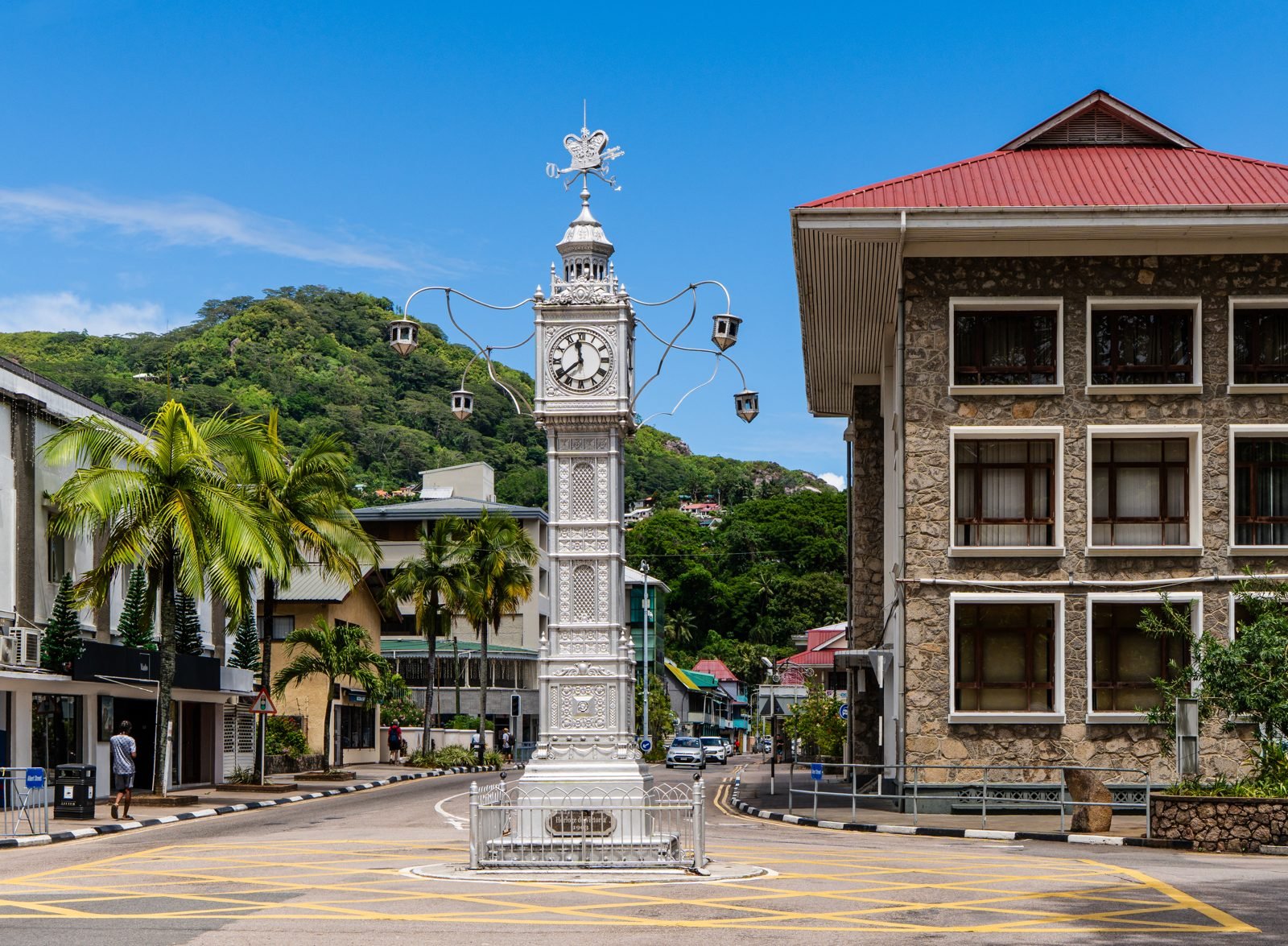
📷 Photo: Seychelles News Agency, via Wikimedia Commons, CC BY 1.0
VICTORIA, Seychelles — Youth representatives, older Seychellois, civil society and government officials met at the Savoy Resort and Spa yesterday for a national conversation on demographics, convened as the country prepares to mark 50 years of independence later this year.
Organised by the Ministry of Social Affairs, Family and Equality together with the United Nations Population Fund, the gathering took place under the national banner “Generations Together: Shaping Seychelles at 50 and Beyond.” It aligned with the UNFPA-led global theme for 2026, which draws on one of the largest demographic surveys of its kind, capturing the views of more than 108,000 internet-connected young adults aged 18 to 39 across 73 countries about their partnership, reproductive and life aspirations. The wider context, set out by the United Nations, is that demographic change is prompting urgent debate about fertility, family life and the future.
In opening remarks, special advisor Dr Royston Meriton framed the dialogue as a nation-building exercise at a turning point. He pointed to a sharp drop in births, from 17 per thousand between 2014 and 2018 to 11 per thousand in 2024, and to a population now estimated at 121,000 that is ageing while continuing to rely heavily on migrant labour. Youth unemployment among 15 to 20 year olds, he added, remains around four times the national average, with financial insecurity, unstable employment and housing pressures cited by UNFPA as reasons young people are postponing family life.
Dr Meriton pressed for deeper investment in technical and digital education, broader access to reproductive health information and services, and a stronger care economy covering childcare, elder care, parental leave and disability support. He argued that those services should be treated as core economic infrastructure rather than social policy add-ons, and that families should be supported rather than pressured.
Priscilla Li Ying, who heads the UNFPA office covering Mauritius and Seychelles, walked participants through the regional picture. Seychelles is moving into a transition marked by an ageing population and a smaller youth cohort, she said, while Mauritius is already further along the same curve, with an even lower fertility rate. She stressed that older generations carry experience and values that need to be passed on, and that dialogue between age groups is the only way to design policies that fit local cultural realities. The Mauritian experience, she noted, offers useful lessons for Seychelles on managing an older society while keeping younger people at the centre of national life.
Both speakers agreed the room itself was the most encouraging sign of the day. Participants, in their view, were open, respectful and ready to listen, an unusual combination in policy consultations and a strong foundation for the conversations that will follow as the country builds out its demographic strategy. UNFPA has separately framed intergenerational dialogue as a bridge for action on healthy lives, and the Seychelles event fits within that broader push for shared, rights-based responses to demographic diversity.
The closing consensus was that solidarity between generations will need to be reinforced deliberately, so that future policy choices reflect both the scale of demographic change and the cultural values that the country wants to carry into its next half-century.
Sources cited: UNFPA – World Population Day 2026. United Nations – World Population Day. UNFPA – Intergenerational Dialogue: Ensuring healthy lives, Bridging generations for action.
Source: SN