
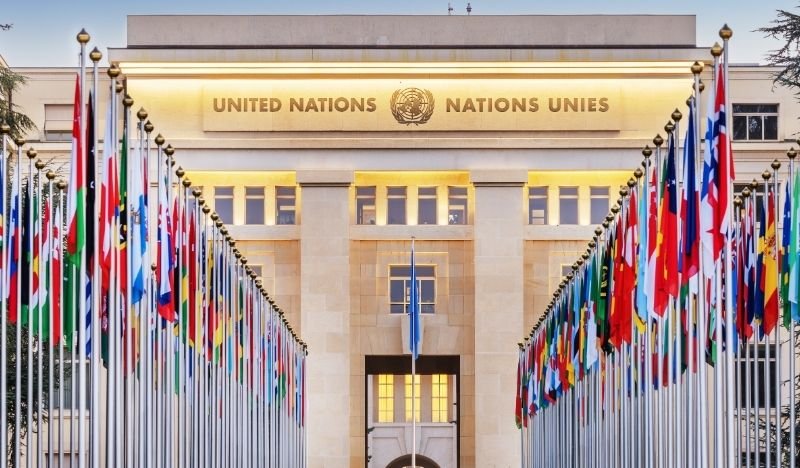
Victoria — Seychelles successfully underwent its fourth cycle of review under the United Nations Human Rights Council’s Universal Periodic Review mechanism on May 8, with the session held at the United Nations in Geneva and facilitated by the Office of the United Nations High Commissioner for Human Rights, with support from the Troika members: Thailand, Mexico, and Côte d’Ivoire.
Speaking to the UN Human Rights Council in his opening statement, Minister Barry Faure said that Seychelles has made significant progress in advancing human rights.
“While challenges remain, Seychelles stands firmly committed to strengthening national institutions, enhancing coordination and partnerships, and building resilient systems to ensure the effective and sustainable implementation of our human rights commitments,” Minister Faure stated.
The Universal Periodic Review is a unique peer-review process designed to examine the human rights records of all UN member States. It provides a platform for countries to highlight progress, identify specific challenges, and receive constructive recommendations from peers to strengthen national implementation.
During the session, Seychelles underscored its recent achievements, including legislative reforms, international engagement, and ongoing commitment to advancing human rights at the national level. A total of 80 member states participated in the session, offering commendations for Seychelles’ achievements while providing recommendations for further improvement.
The delegation highlighted significant progress made in strengthening human rights protections through key legislative updates, though the specifics of those updates were not detailed in the official statement.
As the process moves into its next phase, the government of Seychelles will be invited to provide a formal position on each recommendation received. Seychelles will indicate whether it accepts or takes note of the recommendations presented. This formal position will serve as a roadmap, guiding the manner and extent to which accepted recommendations are implemented moving forward.
The Seychelles delegation was led by Ambassador Barry Faure, Minister for Foreign Affairs and the Diaspora. The delegation included Ambassador Cillia Mangroo; Emy-Lee Lucas from the Permanent Mission in Geneva; Shirley Adrien and high-level representatives from the Ministry of Social Affairs, Family and Equality; Danielle Coetzer and officials from the Judiciary; and Melissa Stravens, Serah Bonte and officials from the Ministry of Foreign Affairs and the Diaspora.
The UPR is a mechanism of the United Nations Human Rights Council that ensures every member State is held to the same standard of review regarding its human rights obligations. It aims to improve the human rights situation on the ground and address violations wherever they occur.
While the official statement emphasized progress and commitment, independent observers have previously noted ongoing concerns in areas including press freedom, judicial independence, and treatment of migrant workers — issues that have periodically surfaced in international human rights discussions.
Whether the recommendations emerging from this fourth review cycle will translate into concrete policy changes, or whether they will join the list of previous recommendations with mixed implementation records, remains to be seen. For now, Seychelles has once again affirmed its commitment to the international human rights framework, and the coming months will reveal how seriously those commitments are taken at the level of implementation.


