Seychelles fisheries could gain a major competitive edge — if the right structures are in place
By The Seychelles Times
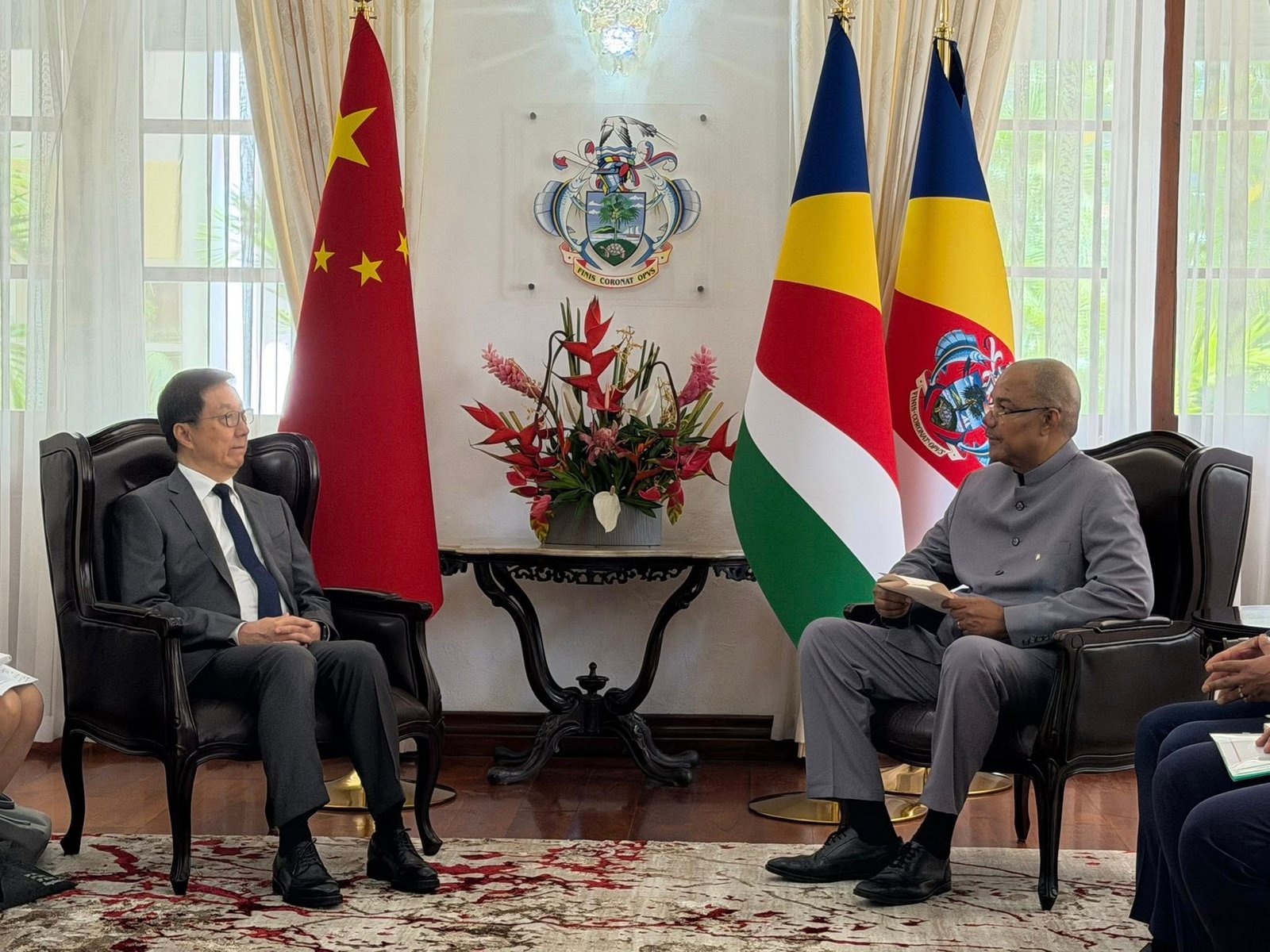
In what China’s ambassador to Seychelles, Lin Nan, has described as a historic opening, Seychelles is now among 20 African countries newly eligible for China’s sweeping zero-tariff trade policy — a framework that eliminates import duties across 100% of tariff lines for eligible products and took effect May 1, 2026.
The policy represents a genuine economic opportunity for Seychelles, particularly for its fisheries sector, which stands to gain significant price advantages in the Chinese market. With zero tariffs on seafood and aquatic products, Seychellois exporters could, in theory, undercut competitors from countries still facing duties of 8% to 30% on comparable goods.
The Opportunity Is Real — The Readiness Is the Question
Ambassador Lin Nan outlined the benefits clearly: reduced trade costs, fast-track customs clearance, electronic certificates of origin, and the potential for Seychelles to develop processing industries that add value before export. The policy runs until April 30, 2028 — a two-year window that is both an opportunity and a deadline.
But opportunity and readiness are different things. For Seychellois fishers and exporters to benefit meaningfully, products must meet China’s rules of origin and inspection and quarantine requirements. The infrastructure, certification systems, and trade facilitation capacity to meet those standards must be in place — and quickly.
This also lands in the context of the 50th anniversary of China-Seychelles diplomatic relations, giving the relationship a moment of symbolic weight. China has invested in Seychelles across education, infrastructure, and now trade. The relationship is deepening whether Seychellois debate it or not.
The Government Must Act — Not Just Welcome
A press release from the Chinese embassy is not a trade strategy. Government must now move with urgency to identify which exporters are positioned to take advantage of the window, what certification gaps exist, and how small and medium enterprises — who stand to benefit most — can be supported to enter the Chinese market before 2028.
The window is open. The question is whether this administration has the commercial acumen and the institutional infrastructure to walk Seychellois exporters through it — or whether, as has happened with previous opportunities, the moment will pass with a press release and a handshake.