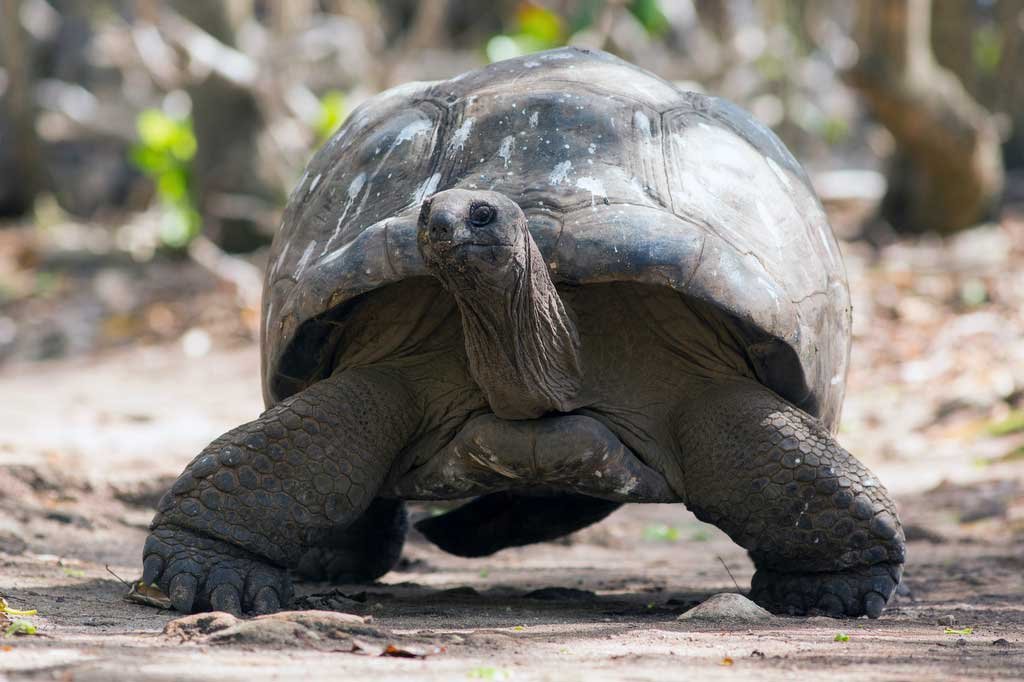
VICTORIA, Seychelles — Seychelles green turtle conservation faces significant challenges according to testimony delivered yesterday by international conservation biologist Dr Jeanne Mortimer before the Commission of Inquiry into Assomption. Dr Mortimer warned that hotel development on Assomption Island poses serious risks to one of Seychelles’ most important green turtle nesting sites, particularly because of lighting and building setbacks.
This matters to ordinary Seychellois because sea turtles are a national symbol and key attraction for the tourism industry that drives the economy. Protecting turtle nesting sites ensures future generations can witness these magnificent creatures and maintains Seychelles’ reputation as a premier eco-tourism destination. Healthy turtle populations also indicate thriving marine ecosystems that support local fisheries.
Dr Mortimer, who first visited Assomption in 1981 and has been there at least 20 times since, told the commission that Assomption has the best green turtle beach in Seychelles, definitely better than Aldabra. She explained that at the turn of the 1900s, Assomption may have had more green turtles than Aldabra, and it has the potential to have more moving forward. During her baseline survey in 1982, turtle numbers were extremely low due to historical exploitation for food and commercial purposes.
Historical records indicate that green turtles on Assomption faced intensive exploitation during the guano extraction era when around a hundred workers lived on the island. Reports from the 1920s indicate that in a single night, workers could kill 200 to 300 turtles during peak nesting season. By 1982, Dr Mortimer estimated only around 100 turtles remained, demonstrating how human activity can devastate populations.
Dr Mortimer stressed that a 40-metre setback stated in the ESIA is not sufficient for green turtles, which are much larger than hawksbills and need more space. Her greatest concern was lighting, explaining that turtles rely on light to orient themselves after nesting, and artificial lighting behind the beach causes turtles to go the wrong way. She noted that turtle-friendly lighting is highly technical and requires warm, low-intensity lights placed close to the ground.
These turtles are capable of coming back if given a chance.
📷 Image source: Ministry of Social Affairs — socialaffairs.gov.sc