
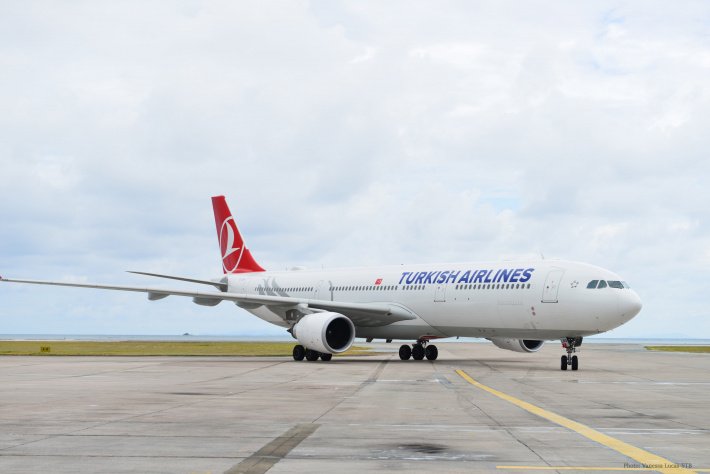
VICTORIA, Seychelles — The Seychelles Small Hotels and Establishments Association has raised the alarm over a Ministry of Health advisory on mosquito-borne diseases, warning that the Seychelles dengue advisory could trigger booking cancellations, family travel concerns and a reassessment of airline routes if not handled decisively. Association chairperson Peter Sinon said on Tuesday that the industry’s September to December 2024 high season had already shown the fragility of visitor confidence, with overbookings masking the underlying nervousness now surfacing around disease risk.
The Seychelles dengue advisory matters because small hotels, guesthouses and self-catering establishments form the backbone of the country’s dispersed tourism economy, sustaining jobs on Praslin, La Digue and across the inner islands. A wave of cancellations by families with young children, in particular, would hit occupancy rates at properties that lack the marketing budgets of the large resorts. Airlines, watching load factors, can quietly reassign capacity to other Indian Ocean destinations if demand softens for a second consecutive high season. Tour operators in Europe and the Gulf, who package Seychelles alongside Mauritius, the Maldives and Zanzibar, are particularly quick to redirect family clients at the first sign of an outbreak.
According to Sinon, the SSHEA is coordinating with the Ministry of Health to ensure that prevention messaging is targeted, factual and proportionate, while member properties step up on-site mosquito control. The Seychelles dengue advisory covers dengue, chikungunya and Zika, all transmitted by the Aedes aegypti mosquito that breeds in clean standing water around homes and businesses. The SSHEA has urged members to clear gutters, treat water tanks and brief guests on repellents, and has called for a national campaign that does not rely on scaring visitors away. The association has also asked the Department of Health to publish weekly case numbers so that overseas travel medicine clinics have data to share with prospective travellers.
Seychelles has lived through dengue outbreaks before, and a sustained public information effort in past years helped keep the disease from becoming a chronic drag on arrivals. The current Seychelles dengue advisory arrives at a delicate moment, with the tourism industry still rebuilding margins after the pandemic, regional competitors stepping up marketing in Mauritius and the Maldives, and cost-of-living pressures limiting how much households and small operators can absorb. Past advisories issued by foreign governments have, on occasion, overstated local risk and produced unnecessary cancellations, a pattern the SSHEA is keen not to repeat.
What happens next will depend on the next two months. The Ministry of Health must decide whether the current Seychelles dengue advisory is upgraded, sustained or lifted before the European spring booking window closes. The SSHEA wants a single authoritative voice on case numbers, hospital admissions and prevention, and clear data for tour operators abroad. Critics will argue that a heavier investment in vector control, larviciding and community clean-ups would do more than any press release; supporters of the current approach will say that targeted, honest communication is the only way to preserve the high-yield family segment that the islands depend on.
The SSHEA has offered to coordinate an industry-wide fogging and inspection schedule with the vector control unit of the Ministry of Health, in partnership with district administrators. The Ministry of Foreign Affairs is also expected to brief resident diplomatic missions on the local situation to discourage over-broad travel advisories.
An advisory without visible action on the ground is, in the words of one small hotelier, a booking cancellation waiting to happen.
📷 Image source: Ministry of Health / SSHEA — health.gov.sc


